Coffee Is Timeless: The Philosophy Behind Goldchild

When Ela and I started building Goldchild, we weren’t just thinking about opening a coffee shop.


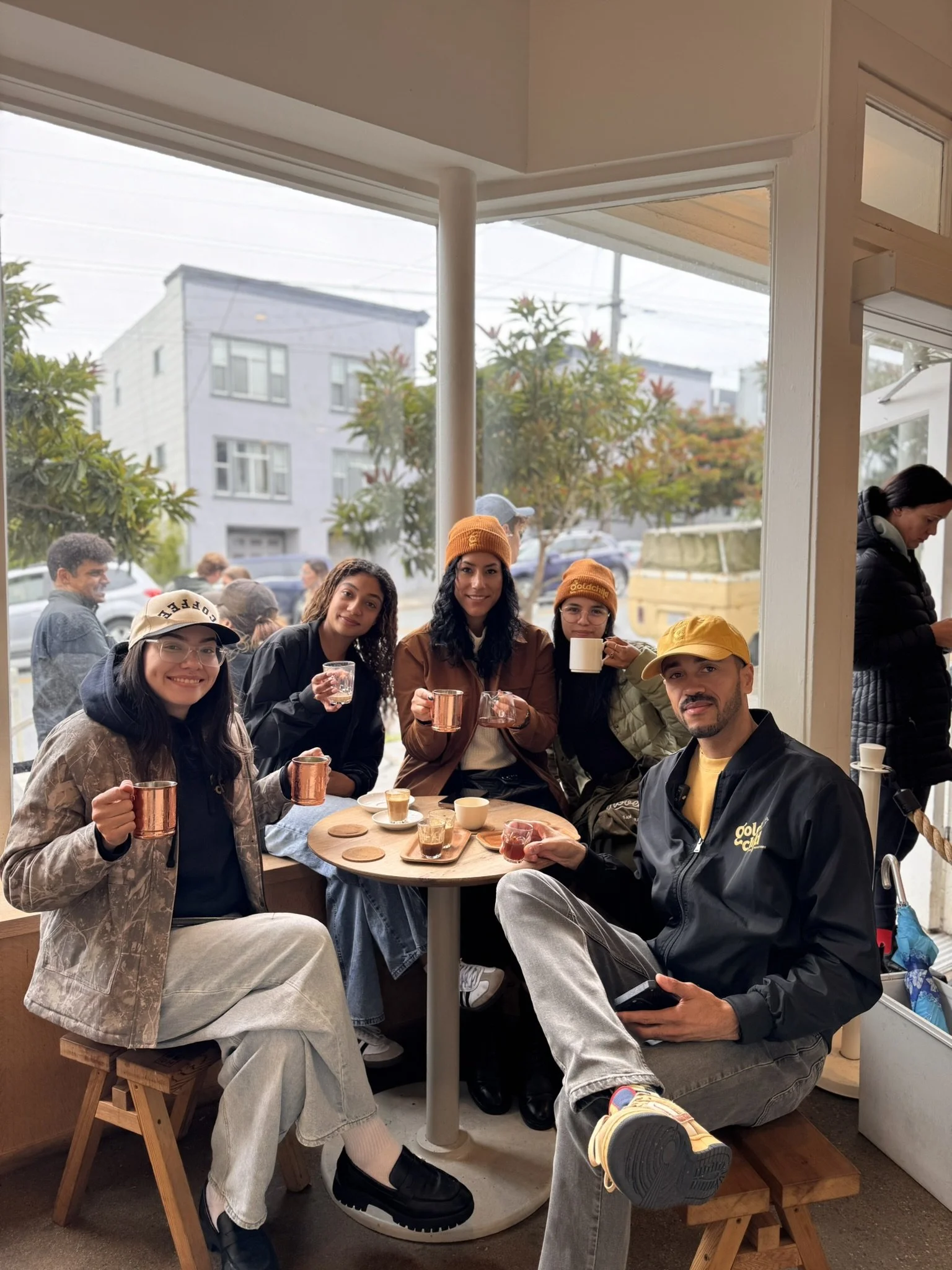
We were thinking about the kind of experience we wanted people to have when they walked through the door. Coffee has always meant more to me than just the drink itself. It’s a moment. A pause in the middle of the day. A chance to slow down long enough to actually be present with the people around you. In a world that moves quickly, coffee has this unique ability to slow someone down just long enough to feel human again.

That idea became one of the foundations behind Goldchild.

Ela brought another important influence into the vision: fika, the Swedish tradition of taking time to enjoy coffee and something sweet with the people around you. Fika isn’t rushed. It’s intentional. It’s about stepping away from the noise of the day to share a simple moment together.

That mindset aligned perfectly with something I’ve come to believe about coffee over the years:

Coffee is Timeless.

Across cultures and generations, people have always gathered around a cup. The tools and techniques evolve, but the purpose stays the same. Coffee creates space for connection. Goldchild was built to create more of those moments.

As we developed the cafe, we built everything around three core pillars: hospitality, education, and quality.

Hospitality means taking care of people. Over the years I’ve visited incredible coffee shops serving amazing coffee, but sometimes the experience lacked warmth. The coffee was great, but the feeling wasn’t there. At Goldchild, hospitality comes first. Every guest should feel welcomed, taken care of, and valued from the moment they walk in.

Education is just as important. Coffee can feel complicated to people who are curious but don’t know where to start or what questions to ask. Our goal is to make learning about coffee feel natural and approachable. Whether someone learns where the coffee was grown, how it was processed, or how to brew something similar at home, we want every guest to leave knowing just a little bit more than when they arrived. And then there’s quality.

Quality shows up in everything we do — the coffee we source, the way we roast, the equipment we brew on, the pastries we serve, and the atmosphere we create. It’s about living that standard across the entire experience.

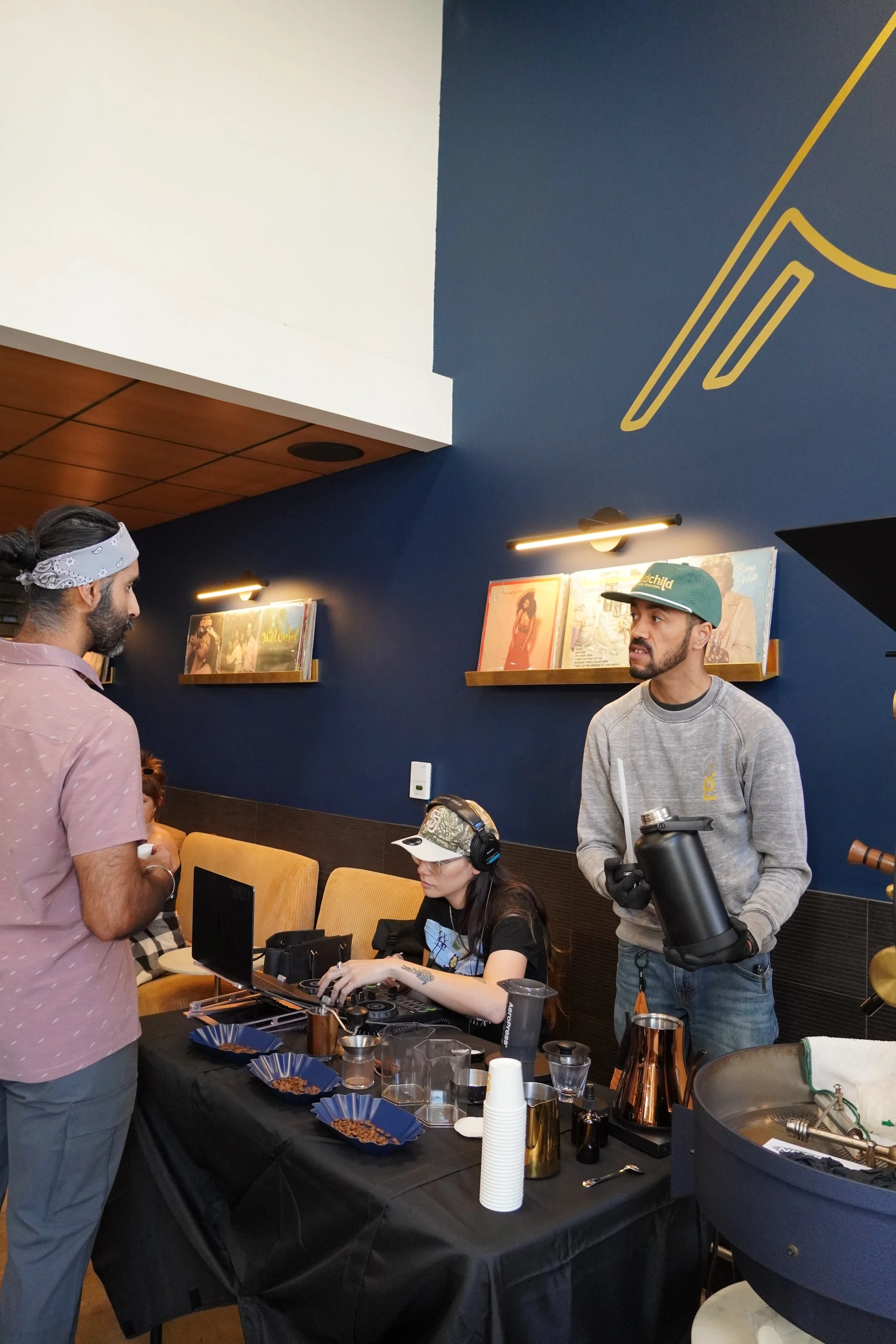
Another influence on Goldchild comes from my background as a DJ and my appreciation for vinyl listening culture, particularly the listening bars in Japan. Those spaces are designed to slow people down. The music creates an atmosphere where people can relax, be present, and share a moment together.

We wanted Goldchild to carry that same energy.

A space where someone can walk in, hear Motown or rap playing on the speakers, sit down with a competition-level cup of coffee, and enjoy a Swedish pastry — all while feeling completely at ease. Great coffee shouldn’t feel intimidating. It should feel welcoming. When hospitality, education, and quality come together, something special happens.

A cup of coffee becomes more than just a drink. It becomes a shared experience — a moment to slow down, enjoy something sweet, and connect with the people around you.

That’s the spirit of fika. And that’s what we hope people feel every time they walk into Goldchild.

— Jeff
Los Angeles: A Qualifying Round

Before San Francisco and before stepping onto the world stage in Korea, there was Los Angeles.

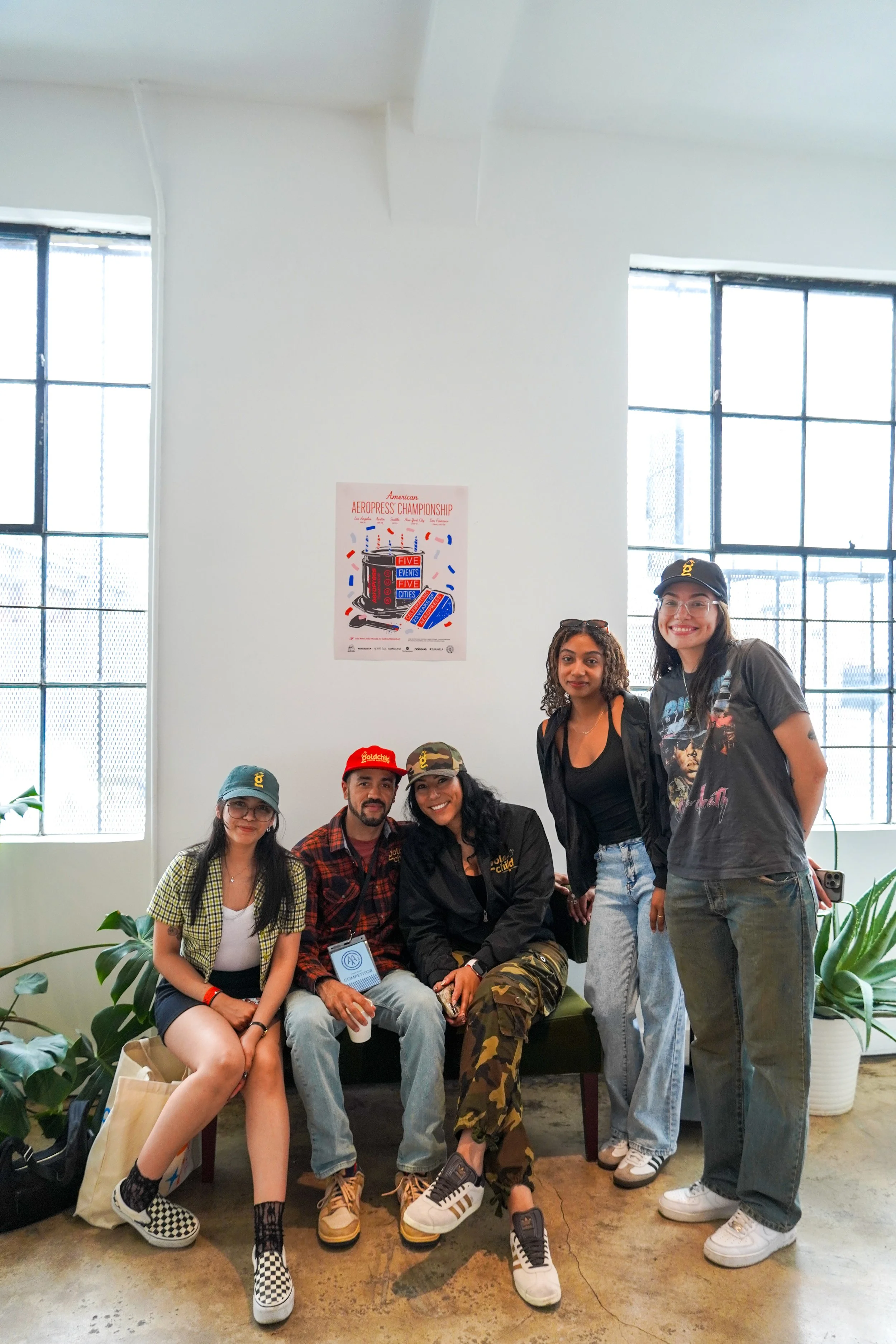
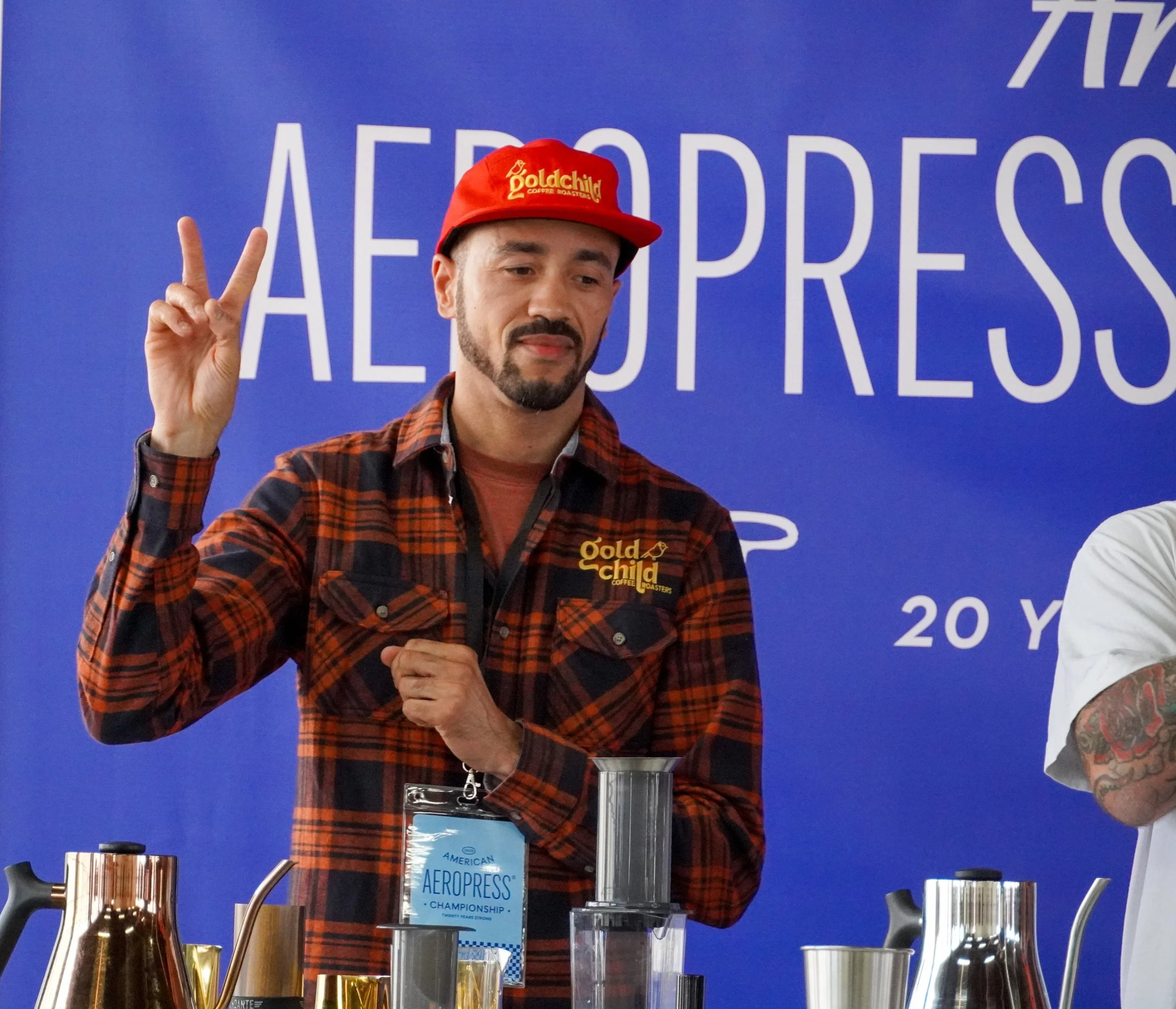
The AeroPress competition in L.A. was one of the qualifying events leading up to the U.S. Championship. For me, it felt like an important stop along the journey — not just because it was a competition, but because it was happening in a place that means a lot to me.


Los Angeles is home and one of the most exciting cities in the world for specialty coffee. Cafés like Endorffeine, Kumquat, and Loquat have helped shape a culture that constantly pushes the craft forward. Being back in that environment reminded me how much inspiration comes from the community around coffee.

Our team made the trip together, and the energy around the competition was strong.Unfortunately, I lost in the first round. That’s the reality of competitions. Sometimes you move forward, sometimes you don’t. But every event teaches you something about your process, your mindset, and how you approach the next opportunity.

Instead of slowing us down, the experience gave our team even more motivation.

We left Los Angeles with a renewed focus and a clear goal: keep refining the process and show up stronger at the next event. A few weeks later, that focus carried us into San Francisco.

— Jeff

A Visit to The Coffee Movement

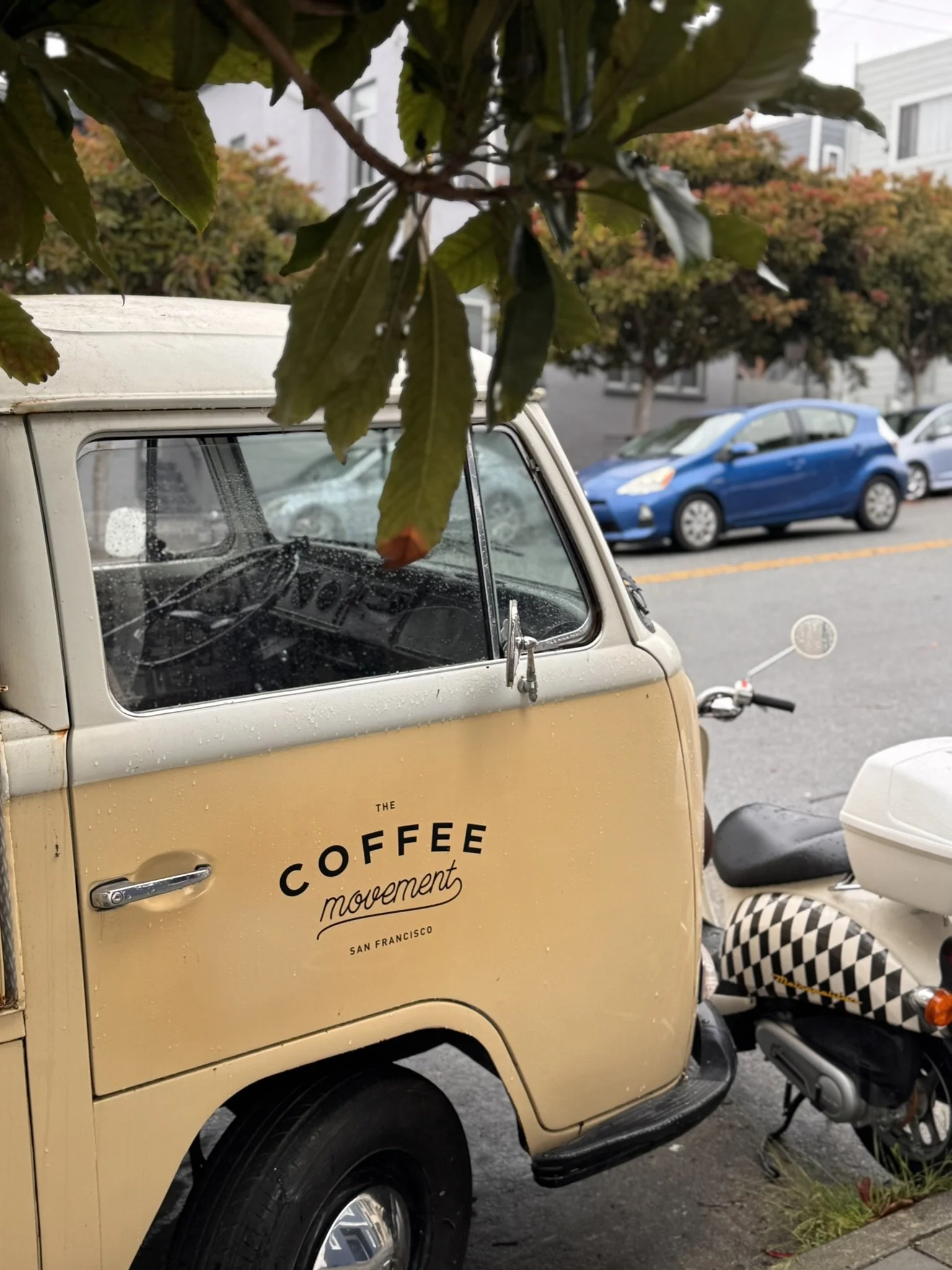
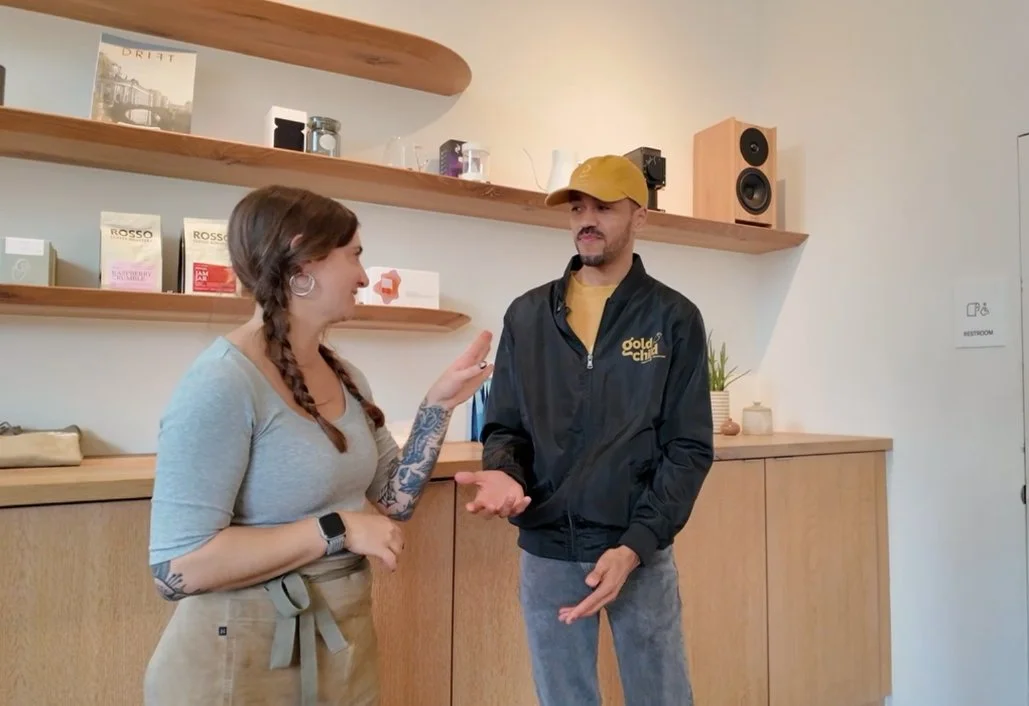
During our time in San Francisco for the U.S. AeroPress Championship, we had the chance to spend some time at The Coffee Movement and sit down with Meg Skop — a 2× US Barista Championship finalist (2022, 2024), Coffee Masters quarterfinalist (2022), and the emcee for the 2025 American AeroPress Championship. It turned into one of those conversations that sticks with you long after the trip is over.

We talked about something that doesn’t get nearly enough attention in coffee: bar flow.

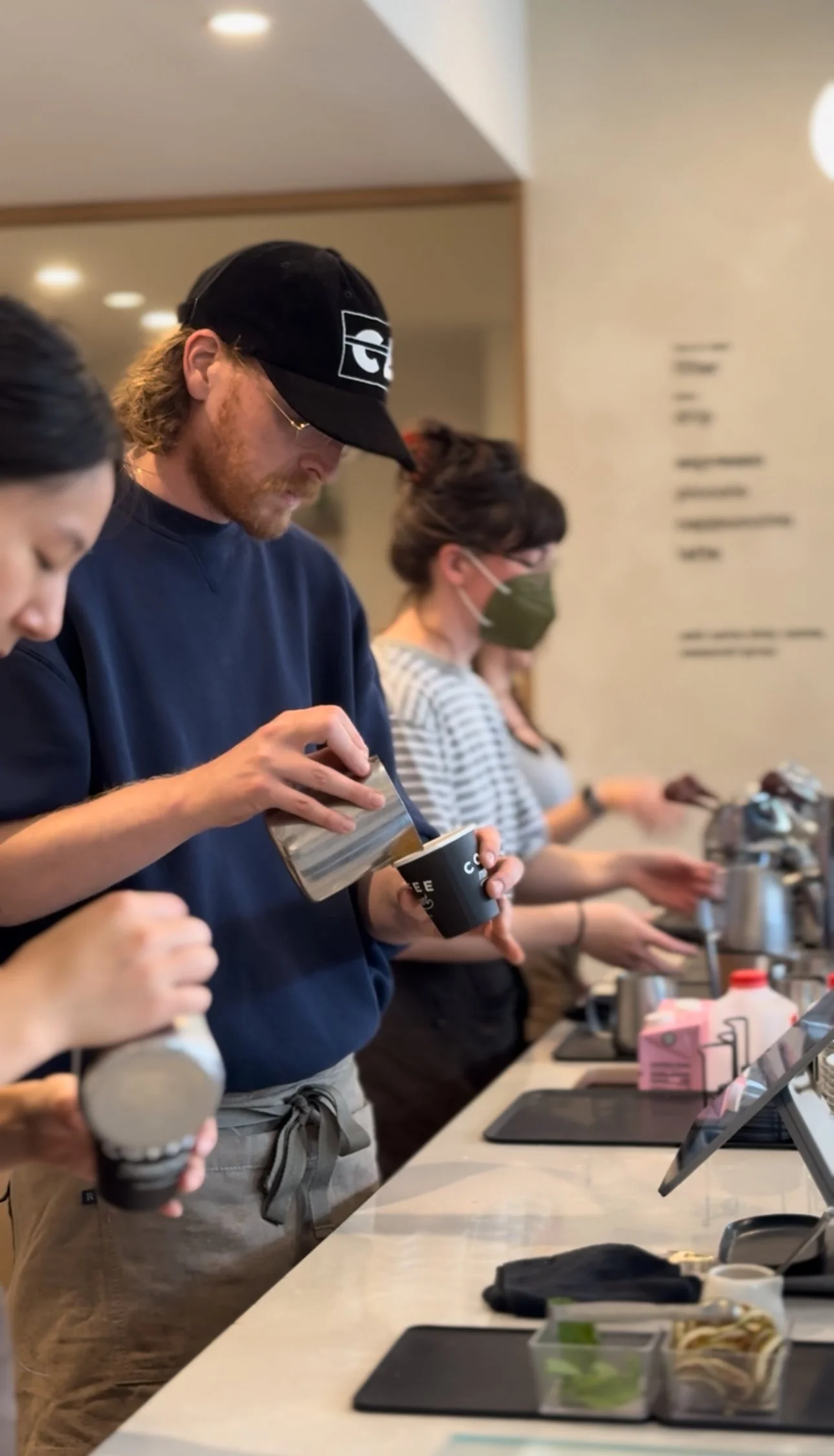
Bar flow is the invisible structure behind a great cafe. It’s how the bar is designed, how the equipment is placed, and how each movement supports the team working behind it. When it’s done well, the work feels smooth and intuitive. The team moves naturally through service, drinks come out consistently, and everyone behind the bar can focus on quality and hospitality. Meg shared some great insights about how thoughtful bar flow isn’t just about efficiency. It’s about supporting your team. When the space works with the baristas instead of against them, it reduces friction, improves communication, and creates an environment where people can do their best work.

Conversations like this are a big part of why we travel for coffee. Competitions are one piece of the experience, but the learning that happens along the way is just as valuable. We also brought our competition team along for the trip so they could see, experience, and learn from some of the best cafes in the industry.

More to come soon as we continue sharing moments and lessons from our time in San Francisco.

— Jeff

Preparing for the World Stage as a Coffee Operator and Competitor

When I first started working in coffee, I never imagined the journey would take me around the world.

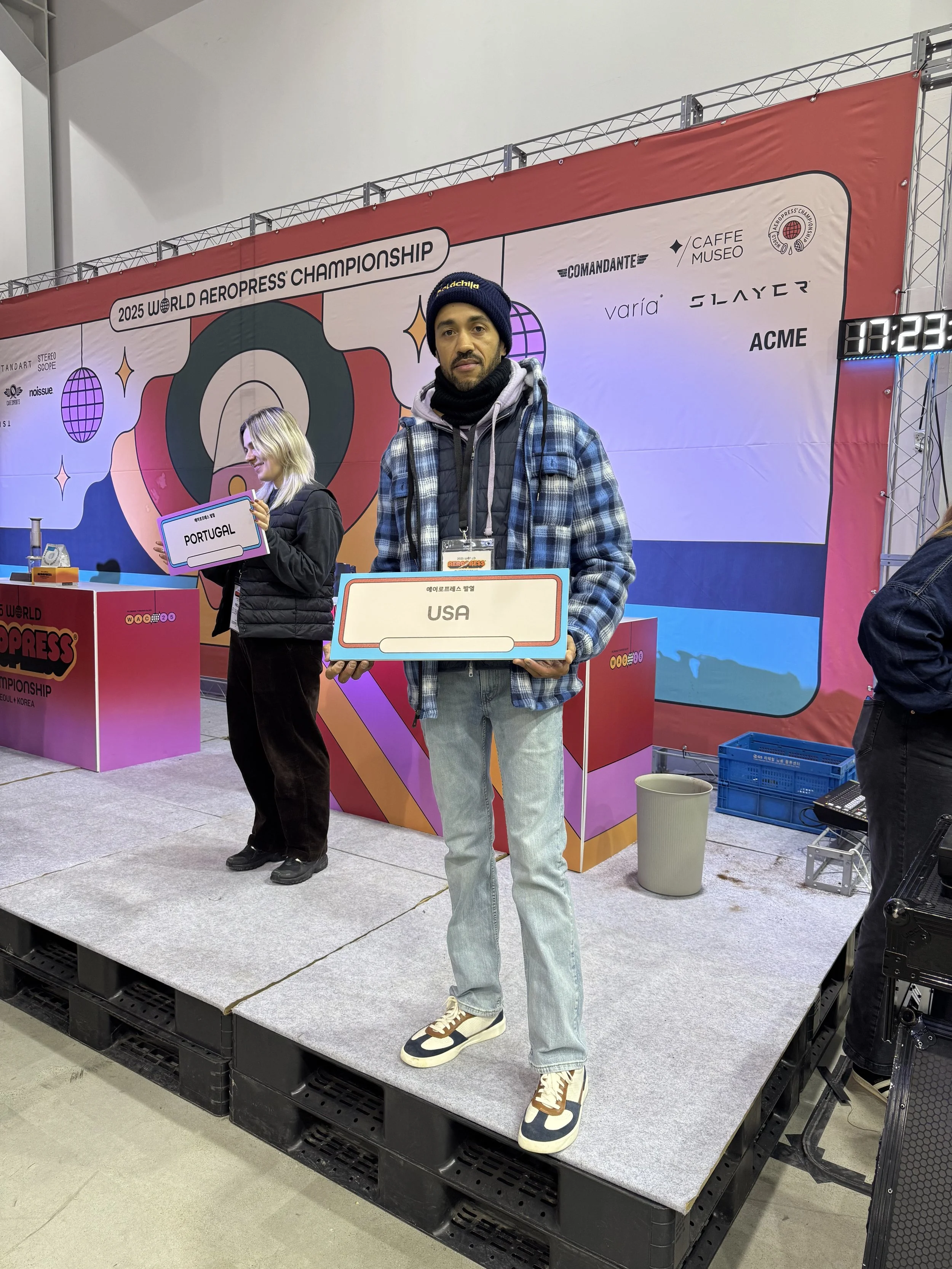
What started as curiosity turned into an obsession with learning about the craft. That curiosity eventually led me to roasting coffee, opening a café, brewing for guests every day, and now preparing to compete on the world stage in Korea.

It’s a strange and humbling experience. On one hand, I’m stepping onto a competition stage. On the other, I’m still doing the same thing I’ve always done: brewing a cup of coffee for someone.

The only difference now is that the someone happens to be a panel of judges.

Winning the U.S. AeroPress Championship gave me the opportunity to represent not only Goldchild, but also the United States. That responsibility changes the way you approach the competition. You start thinking less about yourself and more about the craft, the people who helped you get there, and the coffee itself.

Preparing for competition taught me a few important things.

First, consistency matters more than complexity. A lot of new competitors think they need to invent something wild or push the limits with complicated techniques. In reality, the goal is simple: brew the best cup of coffee possible, over and over again.

Keep it simple. Let the coffee speak for itself.

Second, competition is really just an extension of hospitality.

In the cafe, we tailor a cup of coffee to the guest standing in front of us. On stage, the same mindset applies. The judges become the guest. The goal is still the same: brew a cup that communicates something clear, thoughtful, and intentional.

For me, coffee has always been about connection.

It’s that one thing that allows someone to slow down just long enough to feel human again. Brewing a cup of coffee with intention gives me the opportunity to take care of someone, even if it’s just for a moment.

That mindset doesn’t change whether I’m brewing behind the bar at Goldchild or standing on a competition stage.If anything, competition reinforces it.

When I think about preparing for Korea, the mindset stays the same: stay calm, keep the process simple, and trust the coffee. At the end of the day, competition isn’t about theatrics or trying to impress judges with something flashy.

The goal is simply to brew the best cup possible — the kind of cup that judges would choose again and again.

For anyone thinking about entering their first AeroPress competition, my advice is simple: don’t let the pressure get to you. Focus on consistency, understand your variables, and trust your process.

Grind size, water temperature, and brew ratio all matter. But what matters just as much is understanding what you want someone to taste in the cup and how you want the coffee to be represented.

That’s where the real craft lives. For me, competing has never been about the trophy. It’s about pushing myself and leading by example.

At Goldchild, we talk a lot about three core ideas: hospitality, education, and quality. Those values guide how we show up for our guests every day, and they also guide how I approach competition.

Stepping onto the competition stage pushes me to raise my own standards so I can ask the same from our team.

If I’m willing to challenge myself at that level, it sets the tone for how we show up behind the bar every day. Because in the end, competition and café service aren’t that different.

Both come down to the same thing: showing up with intention and brewing the best cup of coffee you can.

— Jeff